How to Invest in Alternative Assets with Controlled Risk
Introduction: The Growing Relevance of Alternative Assets Controlled Risk
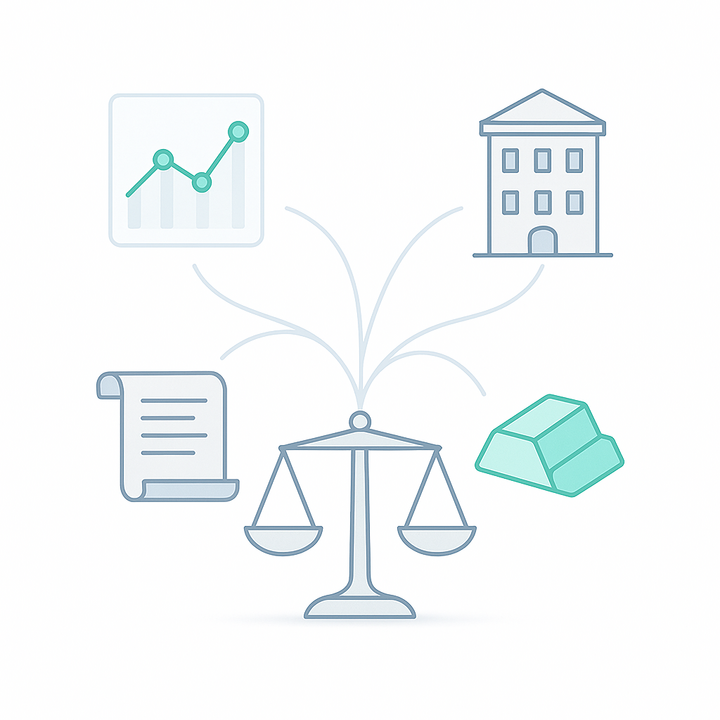
Alternative assets controlled risk is at the core of a successful modern portfolio. As financial markets experience rapid changes, from swings in global economies to rising inflation and new technologies, investors need tools that offer growth while maintaining a steady level of risk. Alternative assets — a category that includes real estate, private equity, infrastructure, collectibles, and more — deliver much-needed diversification outside the classic stock-bond paradigm. These investments are gaining in popularity as fintech democratizes access and unlocks opportunities once reserved for large institutions. To truly benefit, investors must understand how to blend opportunity with robust risk controls.
Defining Alternative Assets in Today’s Market
Alternative assets represent a diverse collection of investment vehicles that operate beyond the scope of traditional equities and bonds. This universe includes physical holdings such as real estate, gold, and art, as well as financial products like hedge funds, private equity, structured credits, and venture capital. Unlike stocks or bonds, the performance of alternative assets is often shaped by unique, sector-specific factors. For example, commercial real estate returns might depend on regional demand and urban development rather than trends on Wall Street. Similarly, private equity investments rely on the operational performance and growth of select businesses rather than only macroeconomic cycles.
Globally, these asset classes have grown as both individual and professional investors search for ways to buffer volatility and tap alternative income streams. The 2023 Preqin Global Alternatives Report notes that alternative assets under management have exceeded $13 trillion, a figure expected to keep rising as more investors seek to balance growth with measured risk.
Alternative Assets Controlled Risk for Portfolio Diversification
Core investment theories emphasize the advantage of diversification—a key principle in minimizing downturns and smoothing returns. Alternative assets controlled risk adds genuine value by being less connected to the movements of mainstream stocks and bonds. This means that during a stock market decline, certain alternatives such as infrastructure or real estate may hold their value or even appreciate depending on conditions in their respective markets.
Additionally, investors benefit from the so-called illiquidity premium: a higher expected return that compensates for the reduced possibility of selling these assets quickly. In an era of persistently low interest rates or heightened inflation, alternatives like inflation-linked real estate or private credit can act as hedges that both preserve purchasing power and generate reliable cash flows, further strengthening the role of controlled risk in portfolio design.
Accessing Alternative Assets: Direct, Fractional, and Fund-Based Approaches
For those seeking to implement alternative assets controlled risk strategies, there are several paths to entry. Direct investment involves buying physical properties, art, or participating directly in private company financing. These investments typically call for larger capital outlays, rigorous due diligence, and specialized knowledge.
However, financial innovation has ushered in new avenues. Fractional ownership platforms allow investors to buy portions of assets—like commercial buildings or rare collectibles—lowering barriers and spreading risk. Additionally, managed investment vehicles such as private equity or hedge funds continue to offer pooled access, while real estate investment trusts (REITs) and listed infrastructure funds provide exposure to alternative sectors in a liquid, exchange-traded form.
Blending these approaches can help investors diversify across numerous asset types, time horizons, and liquidity profiles, a hallmark of risk control.
Evaluating Alternative Assets: Practical Considerations
Investors must pay close attention to due diligence, a core pillar of alternative assets controlled risk. Transparency remains a principal challenge; many alternatives are less regulated than public stocks and provide less frequent financial reporting. It becomes crucial to verify the manager’s track record, assess the underlying asset quality, understand local market conditions, and weigh the impact of legal and tax frameworks. For tangible assets, buyers should review independent appraisals and maintenance histories.
On the data and analytics front, seek platforms and partners that offer real-time updates, clear performance metrics, and secondary market access — features that allow for more measured entry and exit decisions. Instituting defined allocation limits, such as capping alternatives at 10–20% of your total portfolio, helps maintain balance and protects against overexposure, preserving the benefits of controlled risk.
Key Risks and How to Control Them
The distinct nature of alternative investments means that they carry their own set of risks. Chief among them is illiquidity — the potential difficulty in selling an asset when needed. To counter this, investors should maintain liquid reserves elsewhere in their portfolios. Additionally, counterparty and operational risks, such as manager missteps, fraud, or platform failure, can cause losses. Careful selection of reputable fund managers, robust audit trails, and the use of regulated digital marketplaces help mitigate these threats.
Advanced tools are now available to help with risk discovery. AI-driven platforms and analytics enable real-time tracking of performances, portfolio correlations, and exposure to macroeconomic events. Investors can stress test their holdings by simulating various crisis scenarios, allowing them to make timely adjustments and reinforce the protective moat of alternative assets controlled risk.
Emerging Opportunities in Alternatives
Technology and shifting economic structures continue to reshape the alternatives universe. Tokenization — representing ownership of real-world assets on the blockchain — offers investors enhanced flexibility, fractionalization, and global market reach. This process improves liquidity, simplifies settlement, and ensures a transparent record for all stakeholders. Digital exchanges now feature art, collectibles, real estate, and even private company shares, providing new entry points and trading opportunities.
Sectors such as farmland, timberland, intellectual property, and digital infrastructure (including data centers and fiber networks) are growing in importance. The appeal of private credit has grown amid tightening bank lending, giving investors access to potentially higher yields and diversified income streams. To succeed, ongoing research and connectivity to emerging platforms are essential.
The Technological and Global Dimension
Fintech advancements and globalization are reshaping both the accessibility and control mechanisms in alternative assets. Blockchain enables decentralized ownership and smooth transfer of assets, while global online platforms allow investors to diversify across countries and regulatory regimes. Furthermore, digital frameworks give rise to assets like NFTs (non-fungible tokens) and DeFi (decentralized finance) products that fall under the broad umbrella of alternatives.
Increasingly, investors apply environmental, social, and governance (ESG) filters to their alternative asset decisions, aiming for broader social impact alongside financial returns. The integration of AI and data analytics allows for highly tailored portfolios, giving investors precise control over risk exposures and access to thematic investments that align with personal ethics or long-term economic trends.
Due Diligence: The Foundation of Controlled Risk
Due diligence is the backbone of alternative assets controlled risk. Investors need to vet every asset, manager, and platform before allocating funds. Analysis should cover the historical performance, governance structures, legal documentation, and exit options of each opportunity. When possible, leveraging third-party reviews and independent audits adds an extra layer of oversight. Additionally, understanding local and international regulatory requirements is essential to avoid costly compliance errors.
In recent years, innovative fintech platforms have improved transparency and reporting standards across many alternative investment classes. This progress makes it easier for investors to implement thorough risk checks and adapt to changing regulatory, economic, or operational environments. Regular portfolio reviews help ensure that controlled risk remains an active process, not a one-time event.
Building a Sustainable Alternative Asset Portfolio
A sustainable approach to alternative assets controlled risk requires a thoughtful allocation framework. Consider dividing your portfolio into core and satellite allocations, where alternatives play a defined supporting role relative to your broader goals and risk appetite. Many seasoned investors recommend limiting alternative exposure to a threshold that won’t jeopardize overall liquidity but can deliver the diversification and growth benefits desired.
Liquidity management remains vital—an emergency fund or reserve of liquid assets can cover unforeseen needs without forcing a hasty exit from illiquid alternatives. Moreover, a regular schedule of performance assessments and scenario planning, backed by the right digital tools, helps you stay nimble in response to evolving market conditions.
Education and Continuous Learning in Alternatives
Success with alternative assets controlled risk hinges on education. Markets evolve, asset types multiply, and risk factors change, so it’s critical to remain proactive. Engage with investor communities, attend webinars, and review up-to-date research from specialists in key sectors. Understanding the interplay between new technologies, regulatory changes, and investment opportunities ensures you make well-founded, timely decisions.
Moreover, as alternative asset platforms broaden in scope and offer new products, staying informed becomes a distinct advantage — both in identifying compelling opportunities and sidestepping potential pitfalls that await the ill-prepared.
Conclusion: Strategic Advantage with Alternative Assets Controlled Risk
Blending alternative assets controlled risk into your portfolio brings diversification, non-correlated return opportunities, and a wider safety net for unexpected market shocks. However, harnessing these benefits requires discipline in research, careful platform and asset selection, and a willingness to adapt as technology and regulations evolve. As digital innovation lowers the barriers to entry, investors with stronger risk frameworks will have the flexibility to participate confidently and efficiently in the alternative asset revolution.
For ongoing insights, actionable tips, and the latest in portfolio diversification strategies, don’t hesitate to visit our resources at Investing and Diversification. Continuous learning and a proactive approach will keep you ahead as the world of alternatives continues to expand.

Elena Voss is a financial systems writer and risk analyst at SahViral, specializing in credit cycles, liquidity risk, and institutional incentives. Her work focuses on how structural forces — rather than short-term events — shape long-term financial outcomes. With a system-oriented perspective, she examines how capital flows, regulatory design, and macroeconomic pressure influence financial stability for both institutions and households. Her writing emphasizes clarity, structural analysis, and long-term relevance over market noise or speculative narratives.


Post Comment