Recent Innovations in Digital Payments and Virtual Wallets: Implications for Investors and the Financial Industry
Introduction: The Significance of Digital Payments Innovation
Digital payments innovation is reshaping the global financial ecosystem, driving a shift from traditional cash-based transactions to fast, secure, and seamless digital alternatives. As technology evolves, so do consumer expectations. People now demand more convenience and security from their financial services. The expansion of e-commerce, mobile banking, and real-time payment systems continually pushes financial institutions, fintech companies, and investors to adapt rapidly. For anyone following market trends or investment opportunities, understanding the breakthroughs in digital payments is more important than ever.
What Are Digital Payments and Virtual Wallets?
Digital payments refer to the transfer of value via electronic systems without physical cash. These can occur through mobile apps, online payment gateways, QR codes, or contactless cards. Digital wallets, sometimes called virtual wallets, are secure mobile or digital applications that store payment information and permit users to conduct financial transactions via smartphones, computers, or wearables. Well-known examples include Apple Pay, Google Wallet, and Brazil’s PIX system. These wallets do more than store card details; they may integrate loyalty programs, crypto accounts, and peer-to-peer payment features. As a result, they function as all-in-one financial management hubs and empower users to pay, save, and interact with financial products in new ways.
Key Innovations Driving Digital Payments Innovation
The digital payment industry is evolving quickly, fueled by a series of pivotal innovations:
1. Real-Time Payments (RTP) Systems: RTP allows money to move instantly between banks, merchants, and individuals. These systems reduce processing times, improve cash flow for businesses, and increase customer satisfaction.
2. Open Banking and API Integration: Open banking relies on API (application programming interface) connections that allow financial data to move safely between banks, fintechs, and third-party service providers. This innovation encourages interoperability, enabling entirely new layers of financial services.
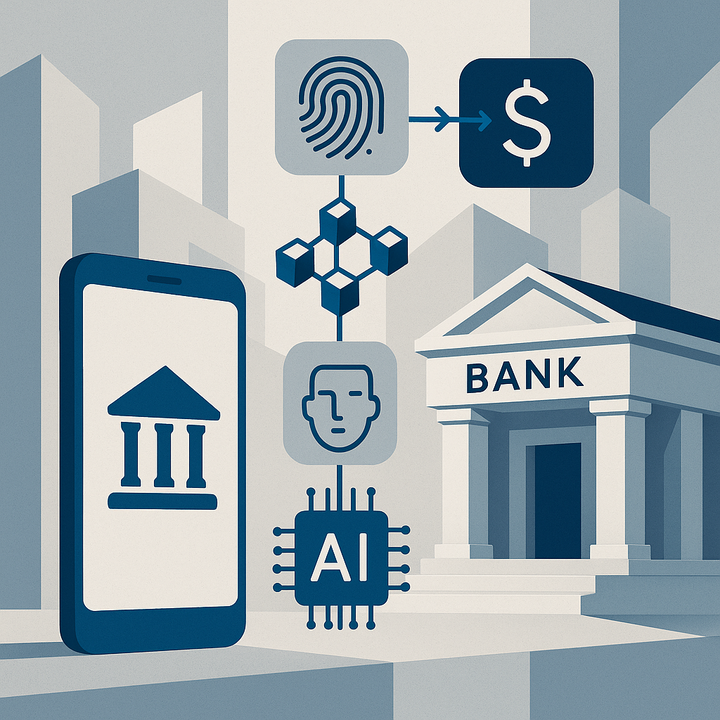
3. Tokenization and Biometric Authentication: By replacing sensitive account or card numbers with encrypted tokens, payment providers dramatically reduce exposure to data breaches. Biometric checks—such as fingerprint or facial recognition—add another layer of safety.
4. Embedded Finance: Embedded finance is the integration of financial services into non-financial platforms, enabling users to make payments directly within apps they already use, such as e-commerce, ride-sharing, or delivery apps. This seamless experience heightens engagement and loyalty.
5. Digital Currencies and Stablecoins: Both central banks and private companies have launched or piloted digital currencies like CBDCs (central bank digital currencies) and stablecoins. These assets could shape and streamline cross-border commerce, improve settlement times, and expand financial access, especially in regions with less established financial infrastructure.
Digital Payments Innovation: Investor Perspectives
Digital payments innovation doesn’t just reshape consumer experience—it profoundly impacts macroeconomic trends, company performance, and investment strategy. For investors, this sector opens doors to diverse asset classes: shares in listed fintech firms, venture capital in payment startups, or exposure through targeted ETFs and mutual funds. Critical growth metrics include transaction volumes, active users, rates of wallet adoption, and regulatory developments. The pace at which consumers and merchants adopt digital payment infrastructure often signals broader economic and sectoral trends. For example, higher adoption rates tend to coincide with rising consumer spending and economic expansion. Meanwhile, new payment channels can support more efficient operations for merchants and banks, influencing stock prices and market sentiment.
Strategies for Investing in Digital Payments Innovation
To make the most of ongoing changes in digital payments, investors frequently adopt a mix of strategies:
1. Direct Equity Investments: Purchasing shares in large, established payment processors (like Visa, Mastercard, PayPal) and innovative fintechs developing new wallet technologies can offer both growth and resilience. Emerging market leaders in Asia-Pacific, Africa, and Latin America may present outsized returns.
2. Thematic Funds and ETFs: Many investment managers now offer thematic ETFs focused on digital payments innovation. These funds typically include companies involved in payment processing, e-commerce, banking technology, or cybersecurity, spreading risk while allowing participation in the sector’s growth.
3. Early-Stage Venture Exposure: Investors may choose to back startups (directly or via venture capital funds) working on next-generation payment systems, biometrics, or blockchain-based solutions. Such investments hold higher risk but can deliver outsized returns if the innovative technology becomes dominant.
4. Partnerships and Minority Stakes: By partnering with or taking minority stakes in promising fintech ventures, traditional financial institutions gain access to top-tier talent and cutting-edge technology. This dynamic encourages collaborative innovation and can increase enterprise value.
5. Mergers, Acquisitions, and Market Watching: Investors who closely monitor M&A and partnership trends may find unique entry points as legacy banks and payment giants acquire or collaborate with agile fintechs. Such deals can reshape industry structure, drive capital flows, and catalyze new product offerings.
Current Market Trends and Data on Digital Payments Innovation
The digital payments industry continues to set records for growth and transaction volume. In 2023, Statista reported global transaction value of digital payments exceeded $8.2 trillion. The Asia-Pacific region leads due to its mobile-first consumers and wide adoption of super-apps like Alipay and WeChat Pay. Also, the introduction of PIX in Brazil—launched by the central bank—processed more than 21 billion transactions in 2023. These numbers illustrate how regulatory action can radically shift a local payments landscape.
In North America and Europe, consumers increasingly use contactless cards and integrate virtual wallets into their daily finances. Payment service providers face intense competition but benefit from expanded ecosystems that link banking, payments, and other digital financial services. Notably, the growing discussion around stablecoins and CBDCs (central bank digital currencies) signals further disruption, especially for cross-border transactions. As the regulatory environment evolves, liquidity management and compliance requirements could see dramatic change, challenging both incumbents and new entrants.
Risks Facing Digital Payments Innovation and Virtual Wallets
Despite exciting growth, digital payments innovation faces multiple risks that investors and industry participants must consider:
1. Cybersecurity: As digital payment systems become more complex and interconnected, the risk of sophisticated cyberattacks grows. High-profile breaches may undermine consumer confidence and create sizeable financial liabilities.
2. Regulatory Uncertainty: Not all jurisdictions move at the same speed toward digital payments. Regulatory divergence can create friction, increase compliance costs, and limit scalability for cross-border payment providers.
3. Competition and Margin Pressure: Lower barriers to entry mean more startups and non-traditional players competing for market share. For smaller fintechs, survival depends on proprietary technology, strong user bases, or unique value propositions.
4. Technology Obsolescence: The fast pace of technological change means today’s leading platform may be outdated tomorrow. Firms must invest heavily in research and development just to maintain relevance.
5. Systemic and Concentration Risks: Heavy reliance on a few core payment infrastructures could increase vulnerability to systemic disruptions. Real-time payment systems, while efficient, may also magnify the impact of outages if backup processes are not in place.
Risk-aware investors and operators will closely monitor these threats. Sound governance, regular technology upgrades, active monitoring, and robust risk-management frameworks are needed for long-term resilience.
Opportunities Emerging in the Digital Payments Innovation Ecosystem
While risks are real, digital payments innovation also offers compelling opportunities:
1. Financial Inclusion: Digital and virtual wallets lower onboarding costs and can dramatically expand financial services to unbanked or underserved populations. For investors, this widens the addressable market.
2. Data Monetization: Payment platforms collect enormous volumes of transactional data, which—when anonymized and analyzed—can generate unique consumer insights. These insights power better marketing, credit-scoring, and risk assessment services.
3. Embedded Finance and Open API Models: Embedding financial services into everyday apps builds customer loyalty and increases engagement. Open APIs encourage collaboration and new business models, fueling growth and differentiation.
4. Cross-Border Remittances: Blockchain and virtual wallets now enable faster, cheaper, and more secure cross-border payments, disrupting traditional money transfer operators and benefiting consumers worldwide.
5. ESG, KYC, and AML Enhancements: Digital payments innovation streamlines compliance by enabling traceable, transparent transaction histories. This supports better Know Your Customer (KYC) and anti-money laundering (AML) procedures, helping firms meet regulatory and ESG commitments. Investors increasingly value such factors when assessing long-term sustainability and risk.
The Future of Digital Payments Innovation
Looking ahead, several trends will drive digital payments innovation forward. Artificial intelligence and machine learning continue to improve fraud detection, personalized banking experiences, and operational efficiency. Likewise, the expansion of the Internet of Things (IoT) brings new payment channels—such as connected cars or smart appliances—creating seamless user experiences. Regulatory clarity on digital assets, open banking standards, and global remittance frameworks will further shape the competitive landscape. Investors and financial professionals who remain agile and informed are most likely to benefit from this continuing transformation.
Conclusion: Embracing Digital Payments Innovation in Financial Strategy
Digital payments innovation remains central to finance’s evolution. Consumers and businesses now expect financial services to be fast, efficient, and secure—placing new demands on providers and investors alike. Staying informed about the evolving payment landscape is vital for successful investment strategies and risk management. For more insights on digital payments innovation and related sectors, visit our comprehensive FinTech and Financial Innovation section.

Elena Voss is a financial systems writer and risk analyst at SahViral, specializing in credit cycles, liquidity risk, and institutional incentives. Her work focuses on how structural forces — rather than short-term events — shape long-term financial outcomes. With a system-oriented perspective, she examines how capital flows, regulatory design, and macroeconomic pressure influence financial stability for both institutions and households. Her writing emphasizes clarity, structural analysis, and long-term relevance over market noise or speculative narratives.


Post Comment